

How to save for a down payment and how much do you actually need?
Saving for a down payment to purchase your dream home is an exciting and essential step on your homeownership journey. However, the process doesn't have to be dull and traditional. In this blog, we'll explore some creative and out-of-the-box approaches to help you achieve your homeownership dreams while shedding light on the differences between FHA and conventional loans. These unconventional methods and loan insights will not only make the saving process more exciting but also bring you closer to the front door of your dream home.
1. Embrace the Gig Economy
Why not turn your hobbies and passions into money-making opportunities? Join the gig economy by selling your artwork, crafts, or homemade treats at local markets or online platforms. Not only will you enjoy doing what you love, but you'll also watch your down payment fund grow.
2. The Travel Fund Hack
Do you dream of globe-trotting? Instead of splurging on expensive vacations, create a travel fund specifically for your down payment. Opt for budget-friendly trips, stay with friends or family, or explore off-the-beaten-path destinations. You'll satisfy your wanderlust while simultaneously building your home fund.
3. Host a "Dream Home" Fundraiser
Throw a unique fundraising event with a purpose! Organize a "Dream Home" party and invite your friends and family to contribute to your down payment fund in lieu of traditional gifts. Get creative with games, competitions, and activities that showcase your journey to homeownership.
4. Cash In on Your Clutter
Decluttering your home can be financially rewarding. Host a garage sale or sell unwanted items online to turn your clutter into cash. Not only will you free up space in your current home, but you'll also add to your down payment fund in the process.
5. The Side Hustle Revolution
Explore the vast world of side hustles to diversify your income streams. From freelance writing and tutoring to pet sitting and ride-sharing, there are endless opportunities to make extra money. Use your side hustle earnings solely for your down payment and watch your savings soar.
6. Invest in Your Skills
Investing in yourself can lead to greater financial opportunities. Take a course, attend workshops, or gain certifications that enhance your skillset and make you more marketable. A higher income potential can significantly impact your ability to save for your dream home.
7. Eco-Friendly Savings
Adopt eco-friendly practices that not only benefit the environment but also your bank account. Reduce energy consumption, lower water usage, and recycle diligently. Use the money saved from reduced utility bills to bolster your down payment fund.
8. Crowdfunding for a Cause
Don't be shy to seek support from your online community. Share your homeownership dreams on crowdfunding platforms and social media, explaining your journey and goals. You'll be surprised at how many friends, family, and even strangers are willing to chip in and help you on your path to homeownership.
9. FHA vs. Conventional: Understanding the Down Payment Requirements
When saving for a down payment, it's essential to know the differences between FHA (Federal Housing Administration) and conventional loans. These two popular mortgage options have varying down payment requirements, making it crucial to explore which one aligns better with your financial situation.
FHA Loan:
FHA loans are backed by the government and are an attractive option for first-time homebuyers and those with lower credit scores. One of the key benefits of an FHA loan is its lower down payment requirement, which is typically 3.5% of the home's purchase price. For example, if you're looking to buy a home priced at $200,000, the down payment for an FHA loan would be $7,000.
While the lower down payment makes homeownership more accessible, it's essential to be aware that FHA loans require mortgage insurance premiums (MIP). This additional cost protects the lender in case of default and adds to your monthly expenses.
Conventional Loan:
Conventional loans, on the other hand, are not government-backed and often have stricter eligibility requirements. However, they offer more flexibility in terms of down payment options.
In general, conventional loans require a down payment of at least 5% to 20% of the home's purchase price. The specific percentage depends on factors such as your credit score, debt-to-income ratio, and lender requirements. For instance, if you're purchasing a $200,000 home and have a 10% down payment, you would need $20,000 upfront.
Putting down 20% or more on a conventional loan allows you to avoid private mortgage insurance (PMI). PMI is similar to MIP but applies to conventional loans when the down payment is less than 20% of the home's value. Avoiding PMI can save you money on your monthly mortgage payments.
Choosing the Right Option:
When deciding between an FHA and conventional loan, consider your financial capabilities and long-term goals. An FHA loan can be an excellent option if you have a limited down payment, but be prepared for the additional cost of mortgage insurance. On the other hand, a conventional loan may require a larger down payment, but avoiding PMI can save you money over time.
Consulting with a knowledgeable mortgage advisor can help you assess your financial situation and determine which loan type aligns best with your homeownership goals. Remember, understanding the down payment requirements and the nuances of each loan option will empower you to make an informed decision on your path to buying your dream home.
Saving for a down payment doesn't have to be a mundane and tedious process. Embrace your creativity and explore unconventional ways to reach your goal while understanding the options available to you. Whether you opt for an FHA loan with a lower down payment or a conventional loan with the potential to avoid PMI, both paths lead to the pride and joy of owning your dream home. So, take the time to evaluate your options, continue saving diligently, and soon you'll be unlocking the door to your new home sweet home.

Where are interest rates headed???
Fannie Mae, MBA, NAR released their predictions for where interest rates are headed. Historically when interest rates lower the demand for housing increases as more people enter the market driving home prices up.
Fannie Mae, MBA, NAR released their predictions for where interest rates are headed. Historically when interest rates lower the demand for housing increases as more people enter the market driving home prices up.

When interest rates decrease, it becomes more affordable for potential homebuyers to finance their purchases. Lower interest rates lead to reduced monthly mortgage payments, which can attract more buyers into the market.

As interest rates decline, the demand for homes tends to increase, leading to higher home prices. This demand is fueled by the increased purchasing power of buyers due to lower monthly mortgage payments resulting from lower interest rates. Other factors may also influence home prices, such as the overall state of the economy, local market conditions, and housing supply. However, interest rates play a significant role in shaping the housing market trends.
Staging tips to sell your home from top dollar
It all begins with an idea.

Themed Rooms: Consider creating themed rooms that reflect specific interests or lifestyles. For example, transform a spare room into a cozy reading nook with bookshelves, comfortable seating, and soft lighting. This personal touch can create an emotional connection with buyers who share similar interests.
Artistic Focal Points: Showcase local art or unique pieces to serve as focal points in each room. Whether it's an eye-catching painting, a stunning sculpture, or an antique find, these artistic touches can add character and charm to your home.
Green Living Walls: Install a living wall with lush green plants in an area like the living room or dining space. Not only does it improve air quality, but it also brings a touch of nature indoors, creating a refreshing and inviting atmosphere.
Statement Lighting: Swap out standard lighting fixtures for stylish, statement pieces that add personality and flair to each room. Unique pendant lights, chandeliers, or modern lamps can make a lasting impression.
Multi-Functional Spaces: Showcase the versatility of your home by staging multi-functional spaces. Set up a home office that can easily convert into a guest room, or a dining area that can transform into an entertainment zone. This demonstrates the flexibility of the layout to potential buyers.
Local Flavor: Integrate elements of the local culture and community into your staging. Use locally-made furniture or artwork to celebrate the uniqueness of the area and create a sense of connection for buyers.
Smart Home Features: Incorporate smart home technology into your staging, such as smart thermostats, lighting systems, or security devices. Demonstrating the convenience and efficiency of these features can appeal to tech-savvy buyers.
Cozy Outdoor Retreat: Stage your outdoor spaces as inviting retreats for relaxation and entertaining. Create a cozy outdoor lounge area with comfortable seating, string lights, and a fire pit, making it a perfect spot for social gatherings.
Vertical Gardens: Install vertical gardens in unused spaces like a balcony or patio to add a touch of greenery and create a striking visual feature.
Vintage Accents: Incorporate vintage or retro elements into your staging, like antique furniture, classic record players, or vintage textiles. These pieces can evoke nostalgia and add a touch of charm to your home.
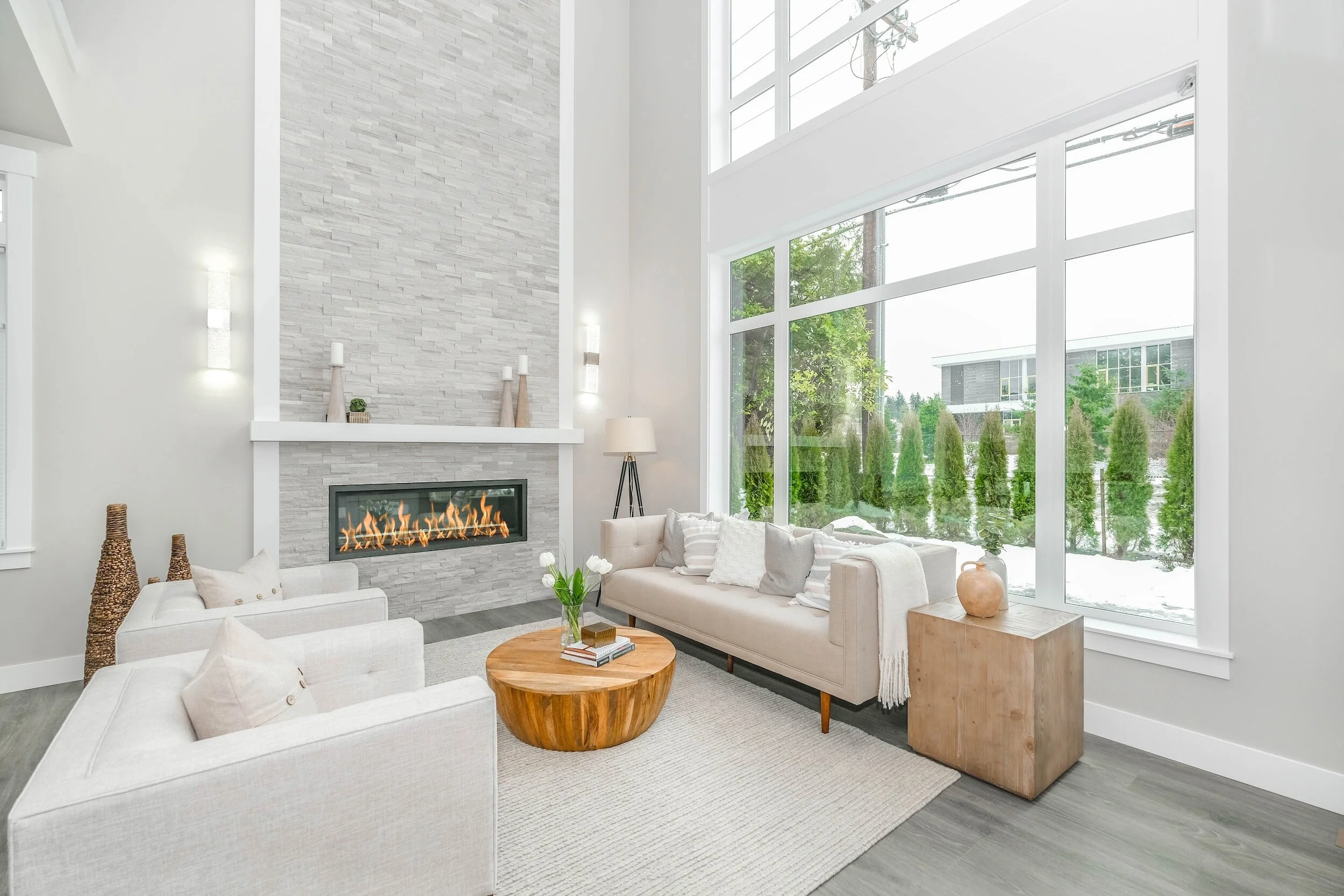
Open Airy Space: Emphasize a sense of openness by staging your home with minimalist furniture and decor. Use light, flowing fabrics, and strategically placed mirrors to amplify natural light and create a spacious ambiance.
Sensory Experiences: Enhance the sensory experience by offering freshly brewed coffee or baking cookies during open houses. The comforting scents can make potential buyers feel at home.
Remember, the key to a unique staging is to showcase your home's distinct personality and create an emotional connection with potential buyers. These creative tips can help your home stand out from the competition and leave a lasting impression on those who visit.